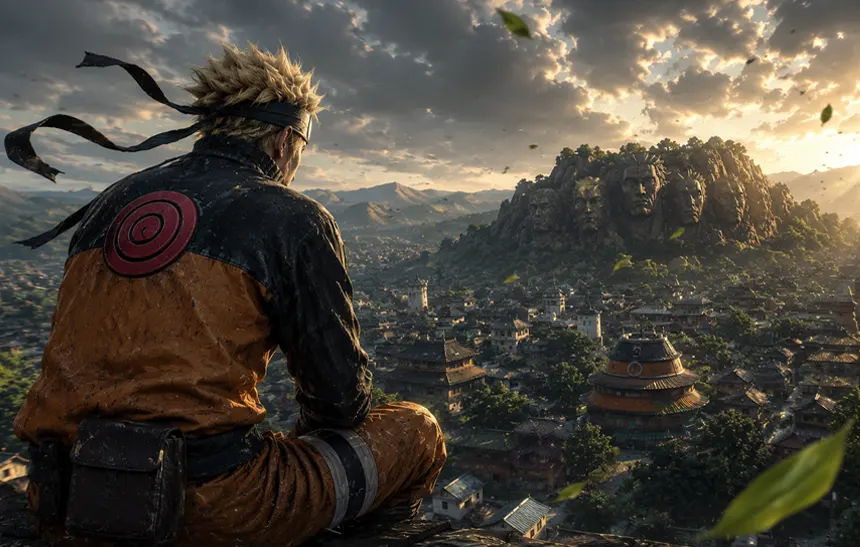
There’s a moment in Naruto’s story where a kid nobody believed in becomes the thing the whole world feared losing. It happens gradually, then all at once. And if you grew up watching it – or discovered it years later – you know exactly which moment I mean.
- Why Naruto Still Resonates Globally
- The Emotional Architecture of the Series
- Naruto Viesulo Kronikos: The Complete Story Arc
- Character Studies: The People Who Made Naruto
- Cultural Impact: Why Eastern Europe Connected
- Hidden Symbolism in the Series
- Fan Theories Worth Taking Seriously
- FAQ
- The Wind That Keeps Moving
Naruto: Viesulo Kronikos (Naruto’s Chronicles of the Whirlwind) isn’t just a nickname for the broader Naruto saga. In Lithuanian fan culture and among Eastern European anime communities, it’s become shorthand for the complete arc of Naruto Uzumaki’s journey: from the loud, ramen-obsessed kid sleeping through ninja class to the Seventh Hokage standing at the center of a world he basically held together by sheer stubbornness.
This article covers what makes that story so hard to put down – the themes, the psychology, the cultural reasons it hit different depending on where you were watching it, and why people are still analyzing it two decades later.
Why Naruto Still Resonates Globally
Masashi Kishimoto started serializing Naruto in Weekly Shōnen Jump in 1999. By the time it ended in 2014, it had sold over 250 million copies worldwide. Those numbers are impressive, but they don’t explain the emotional grip.
The grip comes from something more specific: Naruto is a story about what happens when society writes you off before you’ve had a chance to prove anything.
Every kid who ever got picked last, ignored by teachers, or told they weren’t smart enough for something recognized something real in that story. The loneliness wasn’t metaphorical. Kishimoto drew it into the panels – empty ramen seats, birthdays nobody remembered, a whole village that flinched when he walked by.
That’s why Naruto viesulo kronikos resonates across cultures that have nothing else in common. The whirlwind metaphor (viesulas in Lithuanian, kaze in Japanese) runs through the whole series. Naruto’s clan name, Uzumaki, means “whirlpool.” His father’s name, Minato Namikaze, contains the characters for “wave” and “wind.” Wind is his inheritance. And wind – unpredictable, impossible to stop, able to change direction without warning – is exactly what his character is.
The Emotional Architecture of the Series
Loneliness as a Foundation
The first arc doesn’t start with action. It starts with Naruto eating alone.
That image does more narrative work than most anime manage in full seasons. You understand his hunger isn’t just for ramen. You understand why he became the class clown. When someone ignores you consistently enough, you start performing just to prove you exist.
Kishimoto has said in interviews that he drew from his own childhood feelings of social isolation when creating Naruto. That’s visible in the specificity of those early scenes. The loneliness isn’t generic. It has texture.
Pain as the Series’ Moral Argument
By the time the Pain arc arrives (Shippuden, episodes 152–175), Naruto has shifted from a coming-of-age story into a philosophical argument about cycles of violence.
Nagato’s position – that the world only learns through suffering, that pain is the only language people understand – is presented seriously. He’s not a cartoon villain. He’s a traumatized idealist who drew the wrong conclusions from real grief.
Naruto’s counter-argument doesn’t win through logic. It wins because Naruto is willing to carry the weight of Nagato’s pain himself, and then do something with it that isn’t revenge. That’s the whole thesis of the series compressed into about 20 minutes of screen time.
The “talk no jutsu” jokes from the fandom are affectionate, but they miss what’s actually happening. Naruto doesn’t talk villains into stopping. He absorbs their pain and reflects something back that they’d stopped believing was possible.
Naruto Viesulo Kronikos: The Complete Story Arc
The Lithuanian framing of Naruto viesulo kronikos as a chronicle (kronika) is interesting because it implies historical record – something worth preserving, not just watching.
The full arc breaks into roughly 4 phases:
Phase 1 – The Outcast (Original series, Parts 1–5): Naruto learns what he is, finds his first real bonds, and discovers that being underestimated has tactical advantages.
Phase 2 – The Gap (Pre-Shippuden): The 2.5-year training arc. Naruto leaves. Sasuke leaves in the opposite direction. The story earns its time skip because both absences matter.
Phase 3 – The War (Shippuden, roughly episodes 243–479): The Fourth Ninja World War. Every major thread from 15 years of storytelling starts converging. Madara, Obito, the Ten-Tails, Kaguya – the scale becomes almost absurd, but the emotional stakes stay personal because Kishimoto keeps returning to the Naruto-Sasuke axis.
Phase 4 – Resolution (Final arc + The Last + Boruto setup): Naruto becomes Hokage. More importantly, the village that once feared him becomes the thing he protects. The cycle completes.
Character Studies: The People Who Made Naruto
Sasuke Uchiha: The Mirror
Sasuke exists to show what Naruto’s path looks like when taken through vengeance. Same starting point – grief, isolation, talent – but a different response to pain.
The tragedy of Sasuke’s arc is that he’s right about almost everything he’s angry about. The Uchiha clan massacre was ordered by Konoha’s leadership. His brother lied to protect him. The village he’s supposed to protect did something genuinely monstrous. His anger is legitimate.
What makes him a villain for most of the series isn’t the anger. It’s the decision to stop caring whether anyone else survives his revenge.
Naruto doesn’t save Sasuke by proving him wrong. He saves him by refusing to stop caring even when Sasuke makes that caring as difficult as possible. That’s the emotional thesis of their entire relationship.
Kakashi Hatake: The Mentor Who Needed Teaching
Most mentors in shōnen anime exist to transfer power. Kakashi does that, but the more interesting thing is what he needs from his students.
He’s a man who survived everyone he loved and responded by becoming functionally numb – hiding his face, always late, emotionally unreachable. Team 7 forces him to care again before he’s ready. By the time he becomes Hokage, he’s not the same person who showed up late to their first meeting with a book over his face.
Hinata Hyuga: The Fan Favorite Who Earned It
Hinata spent most of the original series as a background character with a crush. The Chunin Exams fight against Neji changed that – she stepped in knowing she was going to lose, because letting Naruto down felt worse than losing.
Fans who grew up with Naruto often cite Hinata as the character they identified with most. She’s anxious, overlooked within her own family, and deeply aware of her limitations. But she never stops trying.
Her confession during the Pain arc (“I love you, Naruto”) arrives at the worst possible moment, mid-battle, when it changes nothing practically – which is exactly why it lands so hard.
Cultural Impact: Why Eastern Europe Connected
Naruto reached Lithuanian, Polish, and broader Eastern European audiences in the early-to-mid 2000s, often through dubbing and then fan subtitles as the fandom grew online.
The timing mattered. These were societies 10–15 years out from major political transitions, where a significant portion of the population still remembered what it felt like to be dismissed, to have your community treated as expendable by larger power structures.
The idea at the core of Naruto viesulo kronikos – that the outsider can become the protector, that the person the system abandoned can turn around and carry the system – had specific resonance in contexts where that wasn’t just a narrative, it was recent memory.
Eastern European Naruto fandom developed some of the most detailed fan communities outside Japan, with original artwork, extensive theory communities, and translation projects that went well beyond official releases.
Hidden Symbolism in the Series
The Eyes
Every major power system in Naruto involves the eyes: Sharingan, Byakugan, Rinnegan. Vision is how you understand the world. The characters with the most powerful eyes – the Uchiha, the Hyuga – are also the most burdened, the most likely to see things in ways that isolate them.
Naruto has no special eyes. He sees people directly, without enhancement. Kishimoto is making a point about that.
The Spiral
Uzumaki clan symbols are spirals. Leaf Village flak jackets have spirals. The Hidden Leaf logo contains a spiral. Spirals represent continuity in Japanese culture – cycles that don’t close, they continue.
The whole series is built around cycles of trauma and who decides whether to continue them.
Orange
Naruto’s jumpsuit color is orange, which in Japanese culture mixes the energy of red (passion, war, blood) with yellow (sun, knowledge, happiness). Orange is also the color most visible against nature – you can’t miss it, can’t hide it.
Naruto never hides. Even when hiding would be smarter.
Fan Theories Worth Taking Seriously
The Cycle Theory: Every generation in Naruto produces one person of extraordinary potential who becomes either the savior or the destroyer. Hashirama/Madara. Minato/Obito. Naruto/Sasuke. The series suggests this cycle will continue in Boruto with Boruto and Kawaki, except now Naruto is on the Madara side of the equation – the established power the next generation has to reckon with.
Kishimoto’s Anti-War Argument: The Fourth Ninja World War arc reads differently if you treat it as an explicit anti-war statement rather than escalating action. Every major villain was created by the wars before them. The cycle of violence doesn’t produce heroes. It produces more damaged people who become the next war’s villains.
The Naruto-Jiraiya Parallel: Naruto’s journey mirrors Jiraiya’s in ways that feel deliberate. Jiraiya spent his life trying to find peace and documenting it in fiction. He died before seeing it. Naruto achieves what Jiraiya only wrote about – which is why the scene where Naruto finishes Jiraiya’s book breaks the fandom every single time.
FAQ
What does “Naruto viesulo kronikos” mean?
It’s Lithuanian for “Naruto’s Chronicles of the Whirlwind” – a way of describing the full Naruto saga through the lens of Naruto’s wind/whirlpool heritage. The “whirlwind chronicle” framing captures both the chaos of his journey and his clan’s elemental identity.
Is Naruto worth watching# in 2025–2026?
Yes, with caveats. The original series has significant filler (roughly 40% of episodes). If you’re new, a filler guide is worth 5 minutes of your time. Shippuden’s Pain and War arcs are genuinely among the best storytelling in shōnen anime history.
Why did Sasuke turn evil?
Sasuke didn’t start evil. He started traumatized. The massacre of his entire clan, staged to look like his brother’s choice, destroyed his ability to trust any institution. His arc is about what happens when a person’s legitimate grievances push them past the point where the means matter anymore.
What’s the significance of Naruto becoming Hokage?
The Hokage isn’t just a political title. In the village’s ideology, the Hokage is literally the strongest person willing to die for everyone else. A kid the village feared and excluded becoming its protector is Kishimoto’s argument about how communities create the people who save them – or destroy them.
How does Naruto: Viesulo Kronikos connect to Boruto?
Boruto continues the cycle theory: Naruto, having achieved his dream, becomes the established order his son has to navigate. The series explores what happens after the happy ending – which turns out to be complicated.
Which arc is the best entry point for new fans?
Start from episode 1. The Chunin Exams arc (episodes 20–67) is where most people get completely hooked. But the early episodes build emotional stakes that pay off much later, so skipping them costs you something.
The Wind That Keeps Moving
Naruto’s story ended in 2014. The anime has been over for years. But the fandom around Naruto viesulo kronikos – the whirlwind chronicles – keeps generating new analysis, new art, new readers.
That happens because the story touches something that doesn’t date. The loneliness of being excluded, the stubborn refusal to stop believing things can be better, the question of whether you can end a cycle of pain without just extending it – those aren’t anime-specific problems.
Kishimoto drew a kid eating ramen alone and accidentally described something universal.
The whirlwind doesn’t stop when the wind changes. It just goes somewhere new.