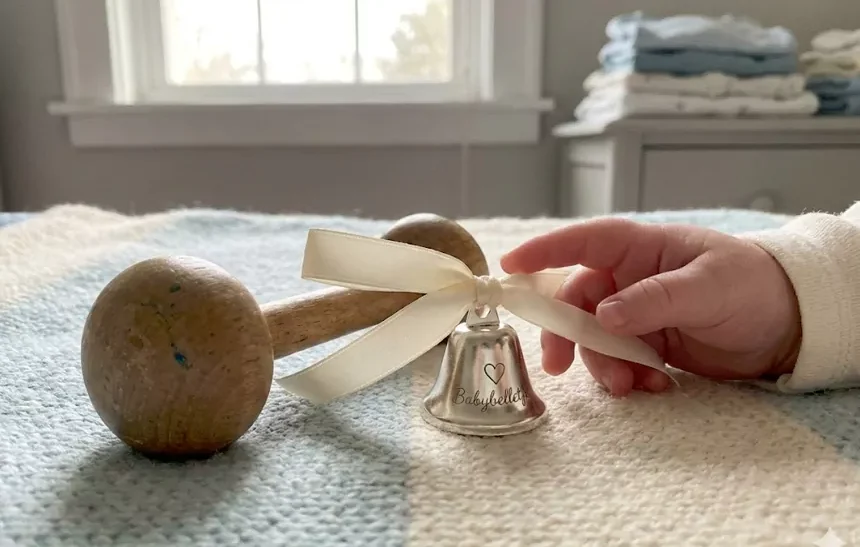
Babybelletje is a Dutch term with three distinct meanings. It refers to a pregnancy necklace with a gentle chime, the popular Mini Babybel cheese snack, and a soft aesthetic trend in digital culture. The word combines “baby” with “belletje” (little bell), creating a polysemous term that evokes warmth and gentleness across different contexts.
What Does Babybelletje Mean?
Babybelletje translates to “little baby bell” in English. The Dutch suffix “-tje” creates a diminutive form that expresses affection and smallness.
This linguistic structure explains why the word appears in multiple unrelated contexts. The etymology traces back to Middle Dutch “belle” and Old Dutch “bella,” from Proto-Germanic roots. Dutch speakers use diminutive forms frequently in everyday conversation to express care and closeness. The term functions as a hypocoristic expression, similar to terms of endearment used in intimate speech. When you encounter babybelletje online, the meaning depends entirely on the context. Pregnancy forums discuss jewelry, food blogs mention cheese, and lifestyle pages reference aesthetic trends.
Babybelletje as a Pregnancy Necklace
A babybelletje pregnancy necklace contains a small bell that creates soft sounds with movement. Expectant mothers wear these harmony balls from around 20 weeks of pregnancy.
The tradition started in Indonesia and Mexico, where cultures believed the gentle chime protected mothers and babies. This prenatal jewelry goes by several names including bola pendant, angel caller (llamador de ángeles in Spanish), and harmony ball necklace. The spherical pendant hangs low on the belly, allowing babies to hear the sound in the womb. Ancient Mayan legends suggest the soft tinkling has magical abilities to summon guardian angels for protection. Mothers wear the necklace on a chain measuring 90 to 110 centimeters long, positioning the chime ball directly against the pregnant belly during daily activities.
Research shows babies can hear sounds from 20 weeks of gestation. The familiar chime continues to calm newborns after birth because they recognize the sound from the womb. Many mothers keep wearing the necklace during feeding or cuddling to provide comfort. Some sew the sound pendant into blankets or hang it over cradles for postpartum soothing.
Choosing a Pregnancy Babybelletje
Select necklaces made from sterling silver or gold plating to avoid skin irritation during nine months of wear. Avoid nickel or cheap alloys that could cause allergic reactions. Check that the pendant creates a pleasant, soft tone rather than a harsh jingle. The sound quality matters because you will hear it constantly. Each handmade ball produces a unique chime, making your babybelletje a one-of-a-kind amulet. Read reviews from other mothers to find brands that hold up well during pregnancy and beyond.
Babybelletje as Mini Babybel Cheese
Dutch speakers affectionately call Mini Babybel cheese “babybelletje” because of its small, round shape. This collocation emerged naturally in Dutch-speaking regions. The Bel Group introduced this wax-coated cheese in 1977 as a portable snack.
Each Mini Babybel piece weighs about 20 grams and contains 60 to 70 calories. The semi-soft cheese provides 4 to 5 grams of protein and offers a good source of calcium at 15% of your daily recommended intake. The iconic red wax coating keeps the cheese fresh without refrigeration for up to eight hours. Kids enjoy peeling away the wax, which turns snack time into an interactive experience. The cheese itself tastes mild and creamy, resembling Edam cheese in texture and flavor. This makes it appealing to picky eaters who avoid strong flavors.
Production happens mainly in Évron, France, where facilities produce approximately 1.7 million cheese wheels daily from 650,000 pounds of milk. The Bel Group committed to 100% recyclable packaging by 2025. They source milk from farms with strong animal welfare practices and use eco-conscious distribution methods. Parents trust Mini Babybel because it contains no artificial colors, flavors, or preservatives. The portion-controlled packaging prevents overeating and makes it easy to pack in lunchboxes.
Babybelletje in Digital Culture and Aesthetics
Online communities use babybelletje to describe a soft aesthetic movement characterized by pastel colors and gentle vibes. This trend emerged on social media platforms like Instagram and TikTok around 2023.
The aesthetic features blush pink, mint, and ivory color palettes. Design elements include rounded shapes, smooth textures, and natural materials like cotton and linen. People create babybelletje-inspired spaces with creamy tones and minimal decorations. The style appeals to those seeking comfort in a fast-paced digital world. This gentle living philosophy resembles other movements like hygge or cottagecore but carries a distinctly European flavor. Followers embrace cozy corners, light-toned wood furniture, and whimsical details like tiny bells or floral accents.
Fashion inspired by this trend focuses on oversized sweaters, soft knitwear, and gentle tones. Accessories remain minimalistic, featuring small pearl earrings or delicate scarves. The connotation of babybelletje in this context emphasizes innocence, softness, and mindfulness. In contrast to harsh, aggressive aesthetics, babybelletje represents the antonym of intensity—it celebrates simplicity and calm.
How Babybelletje Became Popular
The term spread through different communities independently. Pregnancy necklace retailers in the Netherlands and Belgium adopted it as a product name for bola jewelry.
Dutch-speaking families naturally shortened Mini Babybel to babybelletje when talking about the cheese snack. The affectionate nickname stuck because it felt warm and playful. The suffix “-tje” functions as a morphological marker that transforms the base word “bel” (bell) into a diminutive expressing both size and endearment. Digital creators began using the word to describe gentle aesthetics, drawn to its phonetic qualities—the soft consonants and light syllables create a pleasant, calming sound. Each usage reinforced the others, creating multiple meanings that coexist without conflict.
Practical Uses for Each Meaning
Choose a pregnancy babybelletje if you want to create early bonds with your baby through gentle auditory cues. This maternity accessory serves both decorative and bonding purposes. Wear it during pregnancy and continue after birth for soothing.
Pick Mini Babybel babybelletje as a healthy snack option for kids or adults. This dairy product pairs well with fruits, vegetables, or whole-grain crackers for balanced nutrition. The peelable wax coating adds a sensory element that children enjoy. Apply the babybelletje aesthetic to your living space by incorporating pastel colors and natural textures. Focus on creating calm environments that support mindfulness and self-care rituals. Understanding the different meanings helps you search effectively and find exactly what you need.
Common Questions About Babybelletje
People often wonder which meaning came first. The pregnancy necklace tradition predates both the cheese nickname and the aesthetic trend by centuries, with roots in ancient Balinese and Mayan cultures.
Confusion happens because the same word applies to completely different products and concepts. This semantic ambiguity creates mixed search results that combine jewelry, food, and lifestyle content. The best approach treats babybelletje as three separate terms that share the same spelling and pronunciation. Context clues always determine the correct interpretation. If you see babybelletje mentioned alongside pregnancy or maternity topics, it refers to the necklace. Food blogs and nutrition discussions mean the cheese. Lifestyle and design content points to the aesthetic movement. The word’s multiple meanings make it a perfect example of how language evolves through cultural use.
Key Points to Remember:
1. Babybelletje has three legitimate meanings that developed independently across different communities and contexts.
2. The pregnancy necklace version helps create prenatal bonds through familiar sounds babies hear in the womb from approximately 20 weeks.
3. Mini Babybel earned the nickname babybelletje in Dutch-speaking regions because of its small, round, bell-shaped appearance and the linguistic appeal of diminutives.
4. The digital aesthetic trend uses babybelletje to describe soft, pastel-themed content that emphasizes comfort and gentle living principles.
5. Understanding contextual markers prevents confusion when you encounter the term in different settings online or in conversation, whether discussing maternity jewelry, snack foods, or lifestyle aesthetics.