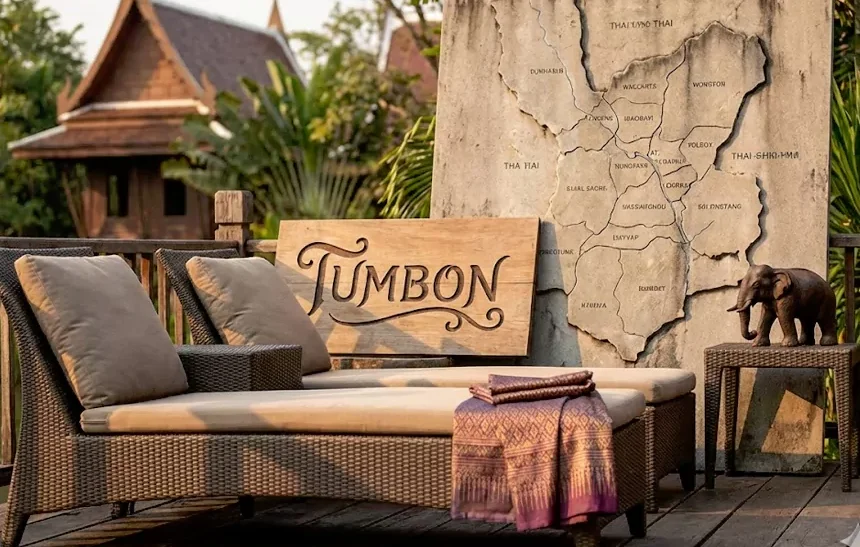
Tumbons is a term with multiple meanings that can refer to outdoor lounge chairs, Thai administrative areas, symbolic strength concepts, or cultural garments. The word appears across websites, blogs, and official documents with different uses depending on context. Understanding which meaning applies helps you avoid confusion when you see the term online or in conversation.
What People Mean by Tumbons
You will find several different definitions when you search for tumbons online. The word describes outdoor furniture, government areas in Thailand, wellness concepts, and traditional clothing items.
Many websites use tumbons to describe comfortable, portable lounge chairs used outdoors, while others reference Thai local administrative areas called tambon (often misspelled as “tumbons”). Some wellness writers use it as a symbolic word for strength and balance. A few sources describe it as traditional cultural garments from various regions. Each meaning exists independently, so you need to look at surrounding words and topics to understand which definition the writer intends.
The confusion happens because the word sounds similar to existing terms from different languages. Spanish has “tumbona” derived from “tumbar,” which means “to lay down”, and Thai has “tambon” which means a sub-district. Writers online sometimes merge these spellings, creating variations that mean different things to different audiences. This represents polysemy—where one word form carries multiple distinct meanings based on context.
Tumbons as Outdoor Furniture
The most common online meaning describes tumbons as portable outdoor chairs designed for comfort and relaxation. These chairs work well for camping, beaches, gardens, and patios. As a hypernym, we can classify them under seating furniture, while specific types include sun loungers, deck chairs, and reclining chairs as hyponyms.
These versatile outdoor accessories blend comfort with style and feature lightweight designs that make them easy to carry, allowing you to set up your relaxation spot anywhere you go. Many tumbons feature designs that allow efficient water drainage and air circulation, making them practical for outdoor use in various weather conditions. You can find them in different colors, patterns, and materials that match your personal style.
People use these chairs for reading outdoors, sunbathing at the beach, camping trips, or creating comfortable seating in small apartments. The ergonomic design supports your posture during long sitting sessions. Their simple construction often means fewer parts to clean and maintain, with most models needing just a quick wipe-down with a damp cloth.
Key common attributes include portability, weather resistance, adjustable reclining positions, and stackable designs. Rare attributes might include built-in USB charging ports, integrated speakers, or automated position adjustment mechanisms found in premium models.
When you choose a tumbon chair, look for weather-resistant fabrics and sturdy frames made from metal or high-quality plastic. The frame serves as a critical meronym—a component part that supports the entire structure. Store them indoors when not in use to extend their life. Check metal parts regularly for rust, especially if you use them near water or in humid areas.
Tambon in Thailand (The Official Spelling)
The correct spelling for Thai administrative areas is “tambon” (not tumbons), which refers to sub-districts in Thailand’s government structure. As holonyms, tambons are constituent parts of larger administrative districts called amphoe.
Below district and province levels, tambon form the third administrative subdivision level, with 7,255 tambon across Thailand as of 2016. Each tambon contains several villages and serves as a local government unit responsible for economic development, public services, and community welfare in its area. Tambon are responsible for the economic, societal, and cultural development of their areas, organizing public services for the benefit of local people.
These administrative divisions have existed since the 19th century. They were originally the second level of subdivision before being reorganized in 1892 during administrative reforms. Today, each tambon is governed by an elected council with representatives from administrative villages.
The Thai government created the OTOP (One Tambon One Product) program to promote unique traditions, cultures, and products from every sub-district. This program helps local communities develop their economies through craft production, tourism, and cultural preservation.
Semantically related entities include provincial governments, district offices, village councils, and municipal authorities—all components of Thailand’s governmental administrative framework.
Symbolic Meaning in Wellness Writing
Some modern writers use tumbons as a metaphorical term for internal strength, balance, and resilience. This usage appears mainly in wellness blogs and self-help content. Synonyms in this context include steadiness, equilibrium, and resilience.
Writers use it to describe qualities that keep a person or system steady, focusing on mindsets, personal habits, or community identity. The symbolic meaning connects to body support structures that work quietly to keep you aligned and comfortable. Writers describe these as hidden elements that maintain stability in your physical and mental health.
This interpretation focuses on building strong foundations through daily habits like stretching, walking, and gentle movement. The concept suggests that small, consistent actions create the internal support systems you need for long-term health and well-being. Common collocations include “maintain tumbons,” “build tumbons,” and “strengthen your tumbons.”
While this meaning lacks historical roots or dictionary definitions, it represents how new terms evolve in digital spaces. Writers create symbolic uses for words that sound appealing or carry positive connotations of strength and stability. The antonym in this wellness framework would be instability or weakness.
Cultural Garments and Textiles
A less common but legitimate meaning describes tumbons as traditional garments or textiles with cultural significance across different regions. A tumbon is a draped fabric garment—such as a shawl or wrap—worn across diverse cultures worldwide, having evolved from functional items into symbols of identity, heritage, and artistic expression.
These pieces have been part of various cultures for ages, serving as versatile items for everyday life. The garments appear in markets and traditional ceremonies as reminders of shared human experiences. Different regions create their own styles, each reflecting unique cultural values and artistic traditions.
In some areas, these textiles feature vibrant colors and intricate embroidery that tell stories of tradition. Other regions use natural fibers dyed with local plants, producing earthy tones that connect to land and ancestral practices. The designs can include bold geometric patterns symbolizing community unity and personal achievements.
These cultural items serve both practical and ceremonial purposes. People wear them for comfort while also expressing their connection to heritage and community identity. The minimalist versions emphasize elegance through subtle colors and delicate fabrics.
Specific lexical terms associated with these garments include woven textiles, draped fabrics, ceremonial wraps, and heritage garments—each describing particular aspects or uses of these traditional items.
How to Tell Which Meaning Applies
Context clues in the surrounding text help you identify which definition the writer intends. Look for specific words that signal the topic.
If the page mentions chairs, outdoor activities, camping, or beaches, it refers to outdoor furniture. When you see references to Thailand, government, local administration, or villages, it means the Thai sub-district administrative areas (properly spelled “tambon”). Content about wellness, mindset, strength, or balance uses the symbolic meaning. Articles discussing traditional clothing, cultural ceremonies, or textiles mean the garment interpretation.
You can also check the source type. Official government documents and legal texts use “tambon” for Thai administrative areas. Lifestyle blogs and outdoor recreation sites discuss furniture. Wellness websites explore symbolic meanings. Cultural and fashion sites describe traditional garments.
Reading the full context gives you clarity. Don’t rely on the word alone, since writers may use different spellings or combine multiple meanings in one article without clear separation.
Etymology and Linguistic Origins
Understanding the etymology helps clarify why “tumbons” appears with multiple meanings. The Spanish word “tumbona” is derived from “tumbar,” which means “to lay down,” with tumbonas designed for relaxation and sunbathing. This reflects the lifestyle in Spanish-speaking countries where outdoor living remains integral to culture.
The Thai term “tambon” (ตำบล) follows entirely different linguistic roots, emerging from administrative language developed during 19th-century governmental reforms. The similarity in sound between “tumbona” and “tambon” creates confusion when writers anglicize these terms without proper context.
Online usage has generated the spelling variation “tumbons” through informal adaptation, blending these separate etymological sources into a single English approximation. This demonstrates how digital communication creates new linguistic forms through cultural mixing and informal spelling conventions.
Common Questions About Tumbons
What does tumbons mean in English?
The word has no single English translation because it represents multiple concepts. It can mean outdoor lounge chairs, Thai sub-districts (spelled “tambon”), symbolic strength, or cultural garments depending on context.
Where did the word tumbons come from?
The term likely comes from mixing similar words from different languages. Spanish “tumbona” means lounge chair, and Thai “tambon” means sub-district. Online writers sometimes combine or misspell these terms, creating the variation “tumbons.”
Are tumbons good for outdoor use?
Yes, if you’re referring to the furniture meaning. These chairs work well for camping, beaches, and gardens because they use weather-resistant materials and portable designs.
How many tambons are in Thailand?
As of 2016, there were 7,255 tambon in Thailand, not including the 180 administrative areas of Bangkok which use a different classification system.
Can I use tumbons indoors?
Outdoor chair versions work indoors too. Their comfortable design and compact size make them suitable for reading nooks, small apartments, or casual seating areas.
What materials are tumbon chairs made from?
Most use weather-resistant fabrics combined with metal or plastic frames. Higher-quality versions feature durable construction that withstands regular outdoor exposure.
Is tumbons a real word in dictionaries?
No, “tumbons” doesn’t appear in standard dictionaries. It’s an emergent term used online that combines or misspells existing words from other languages. The proper spellings are “tumbona” (Spanish) and “tambon” (Thai).
Key Points:
- Tumbons has multiple meanings including outdoor furniture, Thai administrative areas, symbolic wellness concepts, and cultural garments.
- The correct spelling for Thai sub-districts is “tambon” with 7,255 units across Thailand.
- Context clues help determine which meaning applies in any given text.
- The term emerged from online usage mixing Spanish “tumbona” (from “tumbar,” meaning “to lay down”) and Thai “tambon.”
- When searching for specific information, use proper spellings and look at source types to find accurate details.