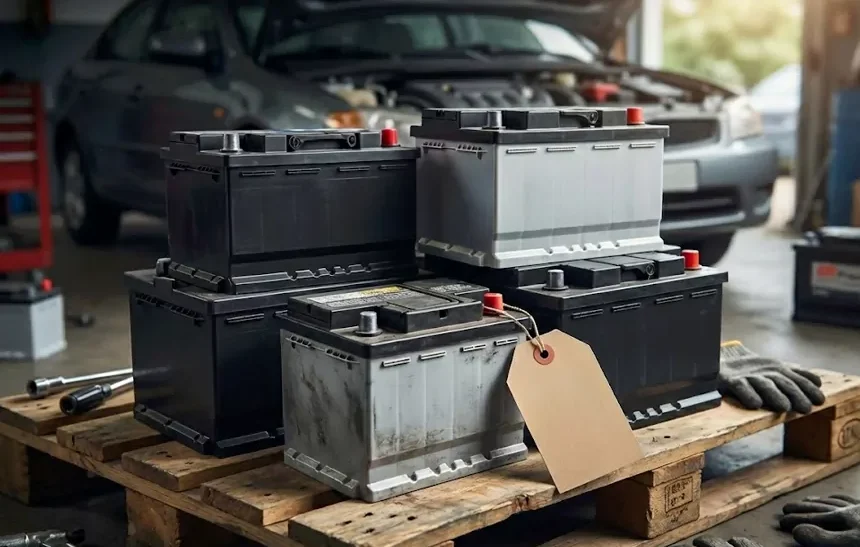
Cheap car batteries typically cost between $80 and $200 for standard lead acid models, making them half the price of premium options. You can find reliable budget batteries from brands like EverStart, Duralast, and Bosch that deliver solid performance without breaking the bank. This guide shows you how to pick an affordable battery that actually lasts.
What Makes a Car Battery Cheap
A cheap car battery costs less because it uses basic materials and shorter warranties. Most budget batteries offer basic warranties and cost $80 to $150, while mid range options run $150 to $250.
The price depends on three main factors. First, the battery capacity measured in amp hours affects cost. Second, cold cranking amps (CCA) show how well batteries perform in cold temperatures. Higher CCA ratings mean higher prices. Third, the battery type matters. Traditional flooded batteries cost less than absorbed glass mat (AGM) models.
Budget batteries might only last a year or two in harsh climates, while better options last three to five years. Your climate plays a huge role. Hot weather speeds up the chemical reaction inside batteries, causing faster degradation. Even though batteries typically fail in cold weather, extreme heat leaves permanent damage that builds up over time.
Real Price Ranges for Budget Car Batteries
The average car battery price in 2025 is $187, but you can spend much less if you know where to look. Basic replacement batteries range from about $45 to $250 depending on size and quality.
Here’s what you can expect to pay. Entry level models at Walmart start under $100 for basic group sizes. The EverStart Value line gives you minimal power at minimal cost. EverStart Maxx batteries cost over $130 but come with a three year free replacement warranty.
Store brand options offer the best value. AutoZone’s Duralast standard battery includes a two year warranty. Costco members get access to competitive prices with installation while you wait. Some models cost more than $362, but those premium batteries target different buyers who need advanced features like enhanced durability or specialized applications.
Size affects price too. Larger batteries like Group 48 and Group 65 cost more because they need more materials. Smaller sizes like Group 24 and Group 51R typically cost less. Understanding these battery group sizes helps you avoid paying for features your vehicle doesn’t need.
How to Choose a Budget Battery That Lasts
Match the battery to your car’s needs first. Your owner’s manual lists the correct group size, which refers to physical dimensions and terminal placement. Using the wrong group size means it won’t fit properly or connect correctly.
Check the CCA rating next. CCA measures how many amps a battery delivers at 0 degrees F for 30 seconds while maintaining minimum voltage. Your car needs a minimum CCA to start reliably. Going higher helps in cold weather. Going lower causes problems.
Look at the warranty length. Suppliers offer warranties of 18 months, two years, or three years. The three year option costs more upfront but saves money long term. A $120 battery lasting three years beats buying two $80 batteries that fail after 18 months each.
Consider maintenance free designs. Most modern batteries need zero upkeep, but cheaper wet cell batteries require checking water levels. Skip the hassle and buy sealed batteries that eliminate this maintenance burden.
Key Specs to Compare
Battery capacity in amp hours (Ah) tells you how much energy the battery stores. Higher Ah ratings support more electrical accessories. Reserve capacity shows how long the battery runs if your alternator fails. More minutes mean more safety.
Your car might need an AGM battery if it has start stop technology. AGM batteries work well with modern start stop systems and typically last three to five years. They cost 15% more than standard batteries but handle the extra cycling.
Price doesn’t necessarily mean better performance according to battery testing experts. Some less expensive batteries score very well in lab tests. The relationship between cost and quality isn’t always linear, especially among mid range products.
Safety and Performance Trade Offs
Ultra cheap batteries come with risks you should understand. The cheapest batteries in hot climates might only last a year or two, forcing you to replace them sooner than expected.
Low cost batteries often have lower CCA ratings. An EverStart Value Group 65 battery rates at 650 CCA versus the Maxx’s 850 CCA. That 200 amp difference matters on cold mornings when your engine needs maximum starting power.
Shorter warranties leave you exposed. A battery with a one year warranty could fail in month 13, sticking you with full replacement cost. Three year warranties protect your investment better and provide peace of mind.
Check for integrated handles on the battery case. Sturdy handles help when installing batteries in tight spaces, especially during bad weather. This small feature matters more than you think when you’re wrestling a 40 pound battery into position.
Test the battery before buying if possible. Many auto parts stores test batteries for free. A simple voltage test shows if the battery holds a proper charge. Car batteries are most efficient at 80 degrees F, so testing conditions matter.
Where to Buy and Save Money
Auto parts stores offer free installation with purchase. AutoZone, O’Reilly, and Advance Auto often provide free installation when you buy from them. This service saves you $20 to $50 in labor costs.
Walmart installs EverStart batteries for free after purchase. Their auto centers stock common group sizes at competitive prices. You can shop while they install. Discount battery retailers like Battery Mart and Battery Source also offer competitive online pricing with fast shipping options.
Local mechanics charge labor if you bring your own battery. Mechanics typically charge $20 to $50 for battery installation. Factor this cost when comparing prices across battery suppliers.
Consider online retailers for selection. Amazon and RockAuto stock hundreds of batteries at various price points. You handle installation yourself but save on markup. However, shipping costs for heavy batteries can offset savings.
Return your old battery for credit. Most retailers offer $5 to $20 core charges that refund when you return the dead battery. This core recycling system keeps lead out of landfills and puts money back in your pocket. The battery core contains valuable materials that manufacturers reuse.
AAA members get mobile installation. They bring the battery to your location and install it while you wait. This convenience costs more but helps in emergencies.
Timing Your Purchase
Watch for seasonal sales. Retailers run battery promotions during winter months when demand peaks. Many dealers run battery discount promotions during winter, making prices more reasonable.
Buy before you need it if you see a good deal. Batteries have long shelf lives when stored properly. Batteries start to degrade from the day they’re made until they get recharged, but proper storage in climate controlled conditions minimizes this degradation. Grabbing a sale battery beats paying full price during an emergency.
Check warranty coverage first if your car is newer. If your battery dies and your vehicle is less than three years old, start at your dealership. It might be covered under warranty. Original equipment manufacturer (OEM) batteries sometimes qualify for extended coverage.
Maintenance Tips to Extend Battery Life
Clean the battery terminals regularly. Corrosion builds up over time and blocks current flow. A wire brush and baking soda solution remove buildup in minutes. Battery connections that have become corroded can affect the battery’s ability to charge.
Keep the battery secure. Batteries with better vibration resistance last longer. Tighten the hold down bracket to prevent movement that damages internal lead plates.
Avoid short trips in cold weather. Your alternator needs time to recharge the battery after starting. Three or four weeks of not driving could kill your car battery. Multiple short trips drain the battery without proper recharging.
Park in shade during summer. Hot temperatures cause battery degradation even though batteries typically fail in cold. Covered parking protects your battery from heat damage. In cooler northern climates, a battery may last five years or longer, but in hot southern locales, a car battery will typically last approximately three years.
Check voltage monthly. A healthy 12V car battery measures 12.6 volts when fully charged. Readings below 12.4 volts indicate the battery needs charging. Understanding proper battery voltage helps you catch problems early.
Turn off accessories before shutting down. Leaving lights or radio on drains the battery. Deep discharges happen when batteries drain to 10.5 volts or below, like when lights stay on overnight. AGM batteries tolerate this better than cheap batteries. The electrolyte solution inside batteries works through chemical reactions that can be permanently damaged by extreme discharge cycles.
Smart Alternatives to Brand New Batteries
Refurbished batteries cost less than new ones. Specialty shops rebuild batteries by replacing weak battery cells. These cost 30% to 50% less than new batteries but come with shorter warranties. Some experienced technicians report 80% success rates with quality refurbished units.
Battery charging might solve your problem. A dead battery isn’t always a bad battery. Try charging it overnight before buying a replacement. Many batteries recover after a proper charge. Boosting a battery turns back the clock, giving you a longer battery lifespan overall.
Jump starters provide backup power. Portable jump starters offer on demand power if your battery needs a jump. Models like the NOCO GB40 cost less than $100 and prevent emergency battery purchases. These devices serve as insurance against battery failure.
Group buying saves money. Some online communities organize bulk battery purchases for lower per unit costs. You need patience to wait for enough participants, but savings can reach 20% or more compared to retail pricing.
Understanding the distinction between inexpensive batteries and truly cheap ones matters. Quality budget options exist, but rock bottom prices often indicate inferior batteries that fail prematurely.
Key Takeaways for Budget Battery Buyers
1. Match specifications to your car – The correct group size, CCA rating, and battery type ensure reliable starting and prevent fitment issues. Consider your vehicle’s electrical demands and climate conditions.
2. Balance price with warranty length – A three year warranty battery costs more upfront but typically saves money compared to replacing cheaper batteries twice. Car batteries typically last 3 to 5 years, depending on usage and conditions.
3. Consider total ownership cost – Factor in installation fees, core charges, and expected battery lifespan when comparing battery prices across retailers. The cheapest initial purchase rarely offers the best long term value.
4. Maintain your battery properly – Simple steps like cleaning terminals, securing the hold down, and avoiding extreme temperatures can double battery lifespan. Proactive maintenance is essential, especially after your battery hits the three year mark.
5. Time your purchase strategically – Seasonal sales, especially during winter months, offer significant savings on quality batteries from trusted brands. Watch for promotions at major retailers and auto parts chains.
You don’t need the most expensive battery on the shelf. You need the right battery for your car, your climate, and your budget. Focus on finding reliable brands with solid warranties rather than chasing the absolute lowest price. The extra $40 spent on a better battery often saves $100 in premature replacements and roadside emergencies. Understanding the difference between cheap automotive batteries and economical car batteries that deliver real value helps you make smarter purchasing decisions for your vehicle’s electrical system.